
 Use cases
 Messaging
 Taxi Companies
 Private Transport
 Transportation Entrepreneurs
 Last Mile
 SuperApp
 Software
 Taxi dispatch
 Corporate transportation
 Auction
 Products
 Booking Software
 Dispatch Platform
 Driver App
 Passenger App
 Web Widget
 Functions
 Schedule & Booking
 Driver Management
 Custom
 Corporate Portal
 Security & Support
 Resources
 Learn
Learn



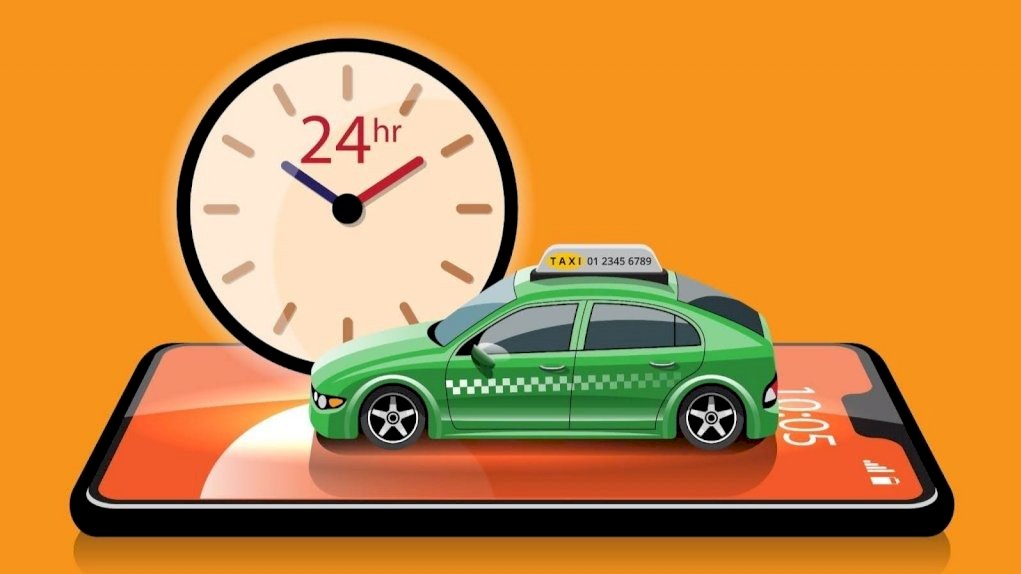
The debate between the traditional taximeter and a digital fare-calculation app represents a clash between two eras: classic mobility trying to survive in a new age of transportation technology. For decades, the taximeter has been the regulated standard for calculating fares. In contrast, digital taxi apps inspired by models like Uber have become essential tools for efficient, transparent, and scalable operations.
Although both systems fulfill the basic purpose of calculating trip costs, their methods, features, and strategic impact on the business are radically different. Understanding these distinctions is crucial for any taxi company—especially those aiming not only to digitalize but to compete in today’s mobility market.
The Basic Purpose
Despite the generational and technological differences, both the taximeter and a ride-hailing app share three essential functions that form the core of the transportation business:
Fare calculation based on distance and time
Both systems monetize mobility by measuring two key variables:
-
Mileage, calculated by the vehicle or via GPS
-
Time, including idle time and slow movement (waiting fare)
-
Cost visibility for the passenger
Both provide an interface showing the fare:
The taximeter displays the amount on a physical device inside the vehicle
-
A digital taxi app shows the fare on both the passenger and driver’s smartphones
-
Trip start and end controls
Both systems clearly indicate when the trip begins and ends:
-
The taximeter starts when activated by the driver
-
A taxi app begins when the driver accepts the ride
-
Payment happens when the taximeter stops or the trip is completed in the app
-
Key Differences: The Strategic and Operational Leap
The differences between these two systems go far beyond technology.
They are strategic, determining a company’s ability to grow, remain transparent, and build loyalty among both passengers and drivers.Below are the critical aspects that separate a taximeter from a modern taxi app.
-
Pricing and Transparency
Traditional Taximeter
-
The customer only sees the final cost upon arrival
-
No integration with real-time traffic data
-
The passenger cannot audit the route
-
Fares follow fixed, pre-regulated rules (day/night rates)
Digital Taxi App
-
The customer receives an upfront fare estimate, removing uncertainty
-
Uses real-time GPS tracking and Google Maps traffic data
-
The entire route is digitally recorded (full traceability)
-
Allows complex pricing rules: peak hours, zones, event surcharges
-
Enables algorithmic transparency and auditable pricing
-
Operational Management
Traditional Taximeter Model
-
Relies on radio or phone dispatching → slow, error-prone
-
Trip data is not automatically recorded
-
Drivers choose routes manually → often not the fastest or most fuel-efficient
Taxi App Model (e.g., Uber, Cabify, Lyft)
-
Algorithms assign the trip to the most suitable driver
-
Minimizes deadhead mileage and improves efficiency
-
Each trip generates valuable data:
-
pick-up/destination
-
wait time
-
profitability
-
-
The app guides drivers with algorithmically optimized routes
-
Reduces fuel consumption and increases productivity
-
Financial and Administrative Integration
Traditional Taximeter
-
Card payments require a separate POS terminal
-
Revenue reconciliation is manual and slow
-
Handling large amounts of cash increases risk
-
Does not track driver behavior (acceptance rate, online time, etc.)
Digital Taxi App
A white-label taxi app enables companies to accept:
-
Cash
-
Card payments
-
Digital wallets
-
Corporate accounts
Reconciliation and invoicing become instant and automated.
Additionally, the system can track essential KPIs such as:-
Vehicle Occupancy Rate (VOR)
-
Revenue per hour
-
Driver acceptance rate
-
Overall fleet performance
-
Driver Experience and Loyalty
Traditional Model
-
Income uncertainty: drivers wait for radio calls
-
High friction: manual payments and cash handling
-
No guidance on high-demand areas
Modern Taxi App
-
Predictable income through continuous, optimized ride assignments
-
Heatmaps showing high-demand zones
-
Transparent earnings: the system calculates net revenue automatically
-
Lower friction and better experience overall
-
The Taximeter as a Legal Tool vs. the App as a Strategy
The traditional taximeter, while robust and legally required in some regions, functions purely as an isolated fare calculator.
Its usefulness ends with pricing; it does not influence management, transparency, or customer relationships.A digital taxi app, however, becomes the entire backbone of the company.
By integrating:-
Fare calculation
-
Taxi dispatch system
-
Fleet management
-
Payments
-
Data analytics
…the app transforms a simple transportation service into an intelligent mobility ecosystem.
For taxi companies looking to scale and compete in today’s market, digitalization is not an alternative to the taximeter—it is the only viable path forward.
Every second saved in pricing and every data point captured becomes business intelligence that strengthens long-term profitability. -
-
-
-
-
-
-