 Use cases
 Messaging
 Taxi Companies
 Private Transport
 Transportation Entrepreneurs
 Last Mile
 SuperApp
 Software
 Taxi dispatch
 Corporate transportation
 Auction
 Products
 Booking Software
 Dispatch Platform
 Driver App
 Passenger App
 Web Widget
 Functions
 Schedule & Booking
 Driver Management
 Custom
 Corporate Portal
 Security & Support
 Resources
 Learn
Learn



The traditional mobility model is reaching its operational limit. In fact, it faces significant challenges that restrict its ability to adapt to the changing needs of modern society.
The constant growth in the number of private vehicles has led to congestion in cities, reducing transportation efficiency and increasing travel times.
To address these challenges, it is crucial to consider a more integrated and sustainable approach to mobility. The future of mobility requires a fundamental shift in how we think about and manage transportation. By adopting more sustainable and innovative approaches, companies can overcome the limitations of the traditional model and create a mobility system that is more efficient, equitable and environmentally responsible.
The evolution of taxi software into mobility super apps reflects the transformation of the transportation sector and the growing demand for integrated, convenient solutions. There are key milestones in this evolution, as well as ways companies have adapted their business models to meet users’ changing needs.
The Emergence of Taxi Apps
With the arrival of smartphones and internet connectivity, taxi apps such as Uber and Lyft revolutionized the industry. These platforms provided a more convenient way to request a taxi, eliminating the need to make phone calls or wait on the street.
By using algorithms to connect drivers and passengers, these apps accelerated the evolution of digital mobility and improved the user experience.
The Development of Super Apps
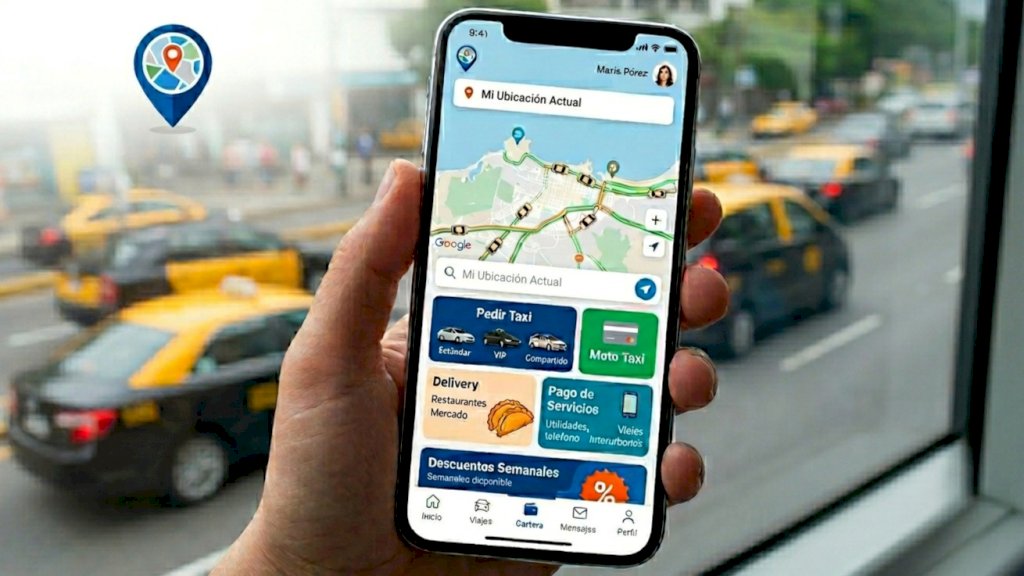
The transition toward super apps involves integrating multiple services into a single transportation platform. This includes not only transportation but also food delivery, shopping and financial services. Apps such as Grab in Southeast Asia and Gojek in Indonesia have evolved into super apps, offering a wide range of services that go beyond transportation.
A Focus on User Experience
Super apps use data and algorithms to provide personalized experiences, suggesting routes, transportation modes and services based on user behavior. An intuitive interface allows users to access different services easily without having to switch between multiple apps.
Future Challenges and Opportunities
Competition among super apps is fierce, forcing companies to continuously innovate and improve their offerings. Businesses must also navigate an evolving regulatory landscape that can affect their ability to operate and expand. In addition, user safety remains a major concern, requiring platforms to implement robust measures to protect their customers.
The evolution of taxi apps into super apps represents a significant shift in how we think about mobility. By integrating multiple services into one platform, these apps are transforming the user experience and addressing complex urban challenges.
A Super App Goes Beyond Passenger Transportation
The first step toward becoming a super app is diversifying what your operation moves. A super app is a comprehensive platform that goes beyond simply transporting people, offering a broad range of services and features.
By offering a variety of services, transportation digital transformation can increase customer loyalty, as users tend to remain on a platform that meets multiple needs.
Super apps are redefining the way we interact with everyday services, creating a digital ecosystem that covers different areas of our lives. As these applications continue to evolve, we are likely to see even more innovations that improve the user experience and provide comprehensive solutions to everyday challenges.
The Evolution from a Taxi App to a Super App Is the Gateway to the Customer
In 2026, the evolution of taxi apps into super apps represents a significant shift in how companies interact with consumers and how consumers manage their daily needs.
As mentioned above, super apps integrate multiple services into a single platform, allowing users to access a range of options without needing to switch applications.
Super apps increase the likelihood that users will remain within their ecosystem. This encourages customer loyalty, since users are less likely to leave an app that meets several of their everyday needs.
By diversifying their service offerings, super apps can generate multiple revenue streams, ranging from transaction commissions to advertising and premium services. This allows them to become more resilient to market changes and adapt to emerging trends.
The transformation of taxi apps into super apps not only benefits companies by providing a more robust platform for interacting with consumers, but also improves the user experience by centralizing services and making a variety of features easier to access. This evolution is key to attracting and retaining consumers in an increasingly competitive digital environment.