 Use cases
 Messaging
 Taxi Companies
 Private Transport
 Transportation Entrepreneurs
 Last Mile
 SuperApp
 Software
 Taxi dispatch
 Corporate transportation
 Auction
 Products
 Booking Software
 Dispatch Platform
 Driver App
 Passenger App
 Web Widget
 Functions
 Schedule & Booking
 Driver Management
 Custom
 Corporate Portal
 Security & Support
 Resources
 Learn
Learn



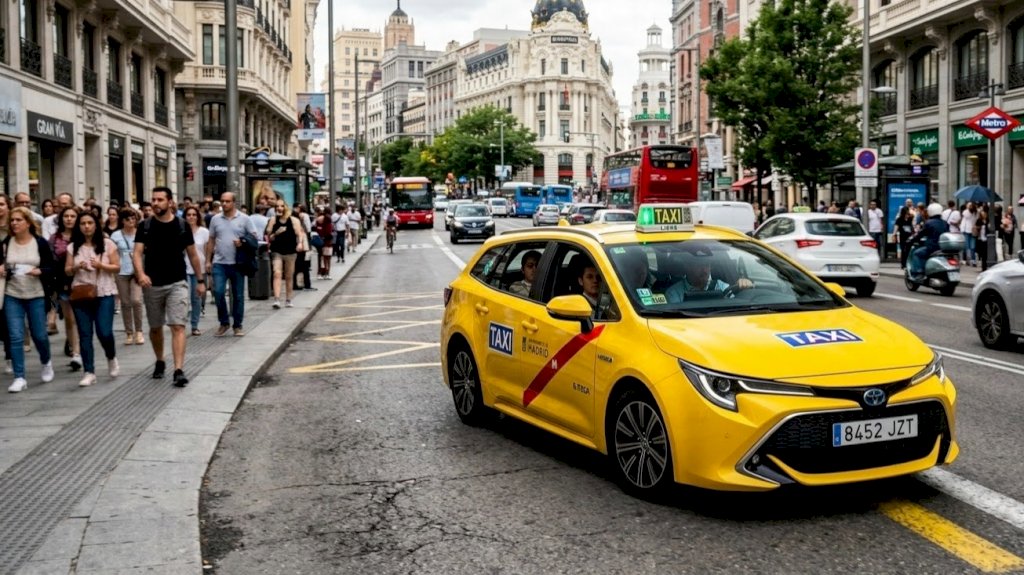
For a taxi company looking to go digital in 2026, choosing between the Uber and inDrive models is not merely a technical matter. It is a decision that defines your brand culture and profit margin. In today’s market, technology is no longer the differentiating factor; the real differentiator is the transportation business model you implement.
Choosing the wrong business model can cause drivers to leave the app because of high commissions or make passengers feel overcharged by unpredictable prices.
Taxi companies without their own platform are losing ground, but those that attempt to copy industry giants without a clear strategy also fail. Choosing between Uber’s complete automation and inDrive’s open-market approach will determine whether your fleet sees you as a partner or as a controlling authority.
The Uber Model: Based on Big Data and Dynamic Pricing
The business model of an Uber-like app is a leading example of how technology—particularly Big Data and dynamic pricing—can transform the transportation industry. Uber uses Big Data to collect and analyze large volumes of information in real time. This includes data on:
-
Ride Demand: It analyzes historical and real-time patterns to predict where and when more drivers will be needed.
-
User Behavior: It collects data about user preferences, including travel times, frequently used routes and ratings, allowing the platform to personalize the experience.
-
Driver Performance: It monitors driver effectiveness and satisfaction using metrics such as waiting times, ratings and passenger feedback.
Dynamic pricing is a system that automatically adjusts ride prices according to supply and demand. Using Big Data enables Uber to optimize its operations, reduce waiting times and improve resource allocation.
Uber’s transportation business model, based on Big Data and dynamic pricing, has revolutionized the transportation sector by providing an efficient and flexible solution for both passengers and drivers. By using technology to optimize operations and improve the customer experience, Uber has established itself as an industry leader.
The inDrive Model: The Passenger Proposes and the Driver Makes a Counteroffer
The business model of an inDrive-like app is based on an innovative approach that allows passengers to propose fares for their rides, while drivers can accept, reject or make a counteroffer.
Passengers are free to propose the price they are willing to pay for a ride. This allows them to adjust the fare according to their budget and perceived value of the service. Allowing passengers to propose a fare creates a greater sense of transparency throughout the pricing process.
The inDrive model is a transportation business model that represents an interesting innovation in the transportation sector. This approach encourages negotiation and empowers both passengers and drivers by providing greater flexibility when setting prices.
However, it also faces challenges related to price uncertainty and the need to manage the expectations of both parties. As inDrive continues to expand, its success will depend on its ability to balance these factors and provide a positive experience for both passengers and drivers.
Commission Structure and Fleet Profitability
The commission structure and profitability of Uber and inDrive taxi software can vary significantly because of their different business models and operating policies. Uber generally charges a commission ranging from 15% to 30% of the total ride cost, depending on the region and type of service, such as UberX, UberXL or Uber Black.
In contrast, inDrive has a more flexible commission policy. It generally charges a lower commission than Uber, which can range from 5% to 15%, depending on the specific agreement and region.
When choosing a transportation business model, you should consider that Uber provides an established platform with a large user base, but its higher commissions and dynamic pricing can affect drivers’ net profitability.
InDrive, meanwhile, offers an alternative with lower commissions and flexible pricing, which can result in greater satisfaction for both drivers and passengers, although its presence and brand recognition may be more limited compared with Uber.
There is no single answer, only a suitable solution for each market. The Uber model is ideal for cities that value immediacy and systematic organization. The inDrive model, however, is a suitable option for markets that demand flexibility and direct negotiation.
Take Your Taxi Company’s Profitability to the Next Level
The Uber and inDrive business models have revolutionized the transportation industry by creating new opportunities for taxi companies and independent drivers. Both platforms offer mobile applications that make it easier to connect passengers with drivers. This increases the visibility of your service and helps attract more customers.
Operating through a digital platform can reduce costs related to managing bookings and payments because these processes are automated. Keeping up with urban mobility trends and adapting to them can also help attract a more environmentally conscious audience.
Integrating a transportation business model similar to Uber or inDrive can provide significant profitability and sustainability benefits for your taxi company. The key is to leverage technology, understand customer needs and adapt quickly to an ever-changing environment.