 Use cases
 Messaging
 Taxi Companies
 Private Transport
 Transportation Entrepreneurs
 Last Mile
 SuperApp
 Software
 Taxi dispatch
 Corporate transportation
 Auction
 Products
 Booking Software
 Dispatch Platform
 Driver App
 Passenger App
 Web Widget
 Functions
 Schedule & Booking
 Driver Management
 Custom
 Corporate Portal
 Security & Support
 Resources
 Learn
Learn


For logistics operators, the last mile has become a discipline that demands complete management. You need to go beyond knowing where the driver is, because that alone does not provide data on the package’s condition or potential incidents. To scale a transportation company in this environment, you will need all the features explained below.
The Myth of the Perfect Route
An efficient route planning software can calculate the shortest path by considering traffic and distance. However, there are important factors to consider, such as whether the customer will be at home, whether an address has been entered incorrectly or whether a driver experiences an unexpected mechanical issue. An operation focused only on routes is a reactive operation.
True operational automation means equipping the system with the ability to manage exceptions. Robust software does not simply display a route sheet; it monitors whether the planned operation is being completed online. This allows the dispatch center to know whether a vehicle takes a detour or remains parked for longer than appropriate, turning passive administrators into active fleet managers.
The Customer’s New Expectations
In efficient route optimization, transparency is no longer an added value; it is a basic requirement. The end customer, whether a startup or a large corporation, expects to know as much as possible about their goods. This is why delivery tracking is the feature that truly protects the operation. As with the previous point, communication is essential for making this possible.
By integrating proximity alerts and live tracking, companies can drastically reduce failed-delivery rates. When customers know the vehicle is only minutes away, they are more likely to be at the delivery location. This greatly increases the likelihood of a successful delivery, improves user satisfaction and eliminates the costs associated with repeat deliveries.
Digitizing Proof of Delivery
Another critical aspect beyond the scope of a simple route planner is the administrative closure of the service. In manual operations, drivers return to base at the end of the day with stacks of documents to be processed and validated. This is an extremely slow process, prone to information loss, and it makes the invoicing cycle feel endless.
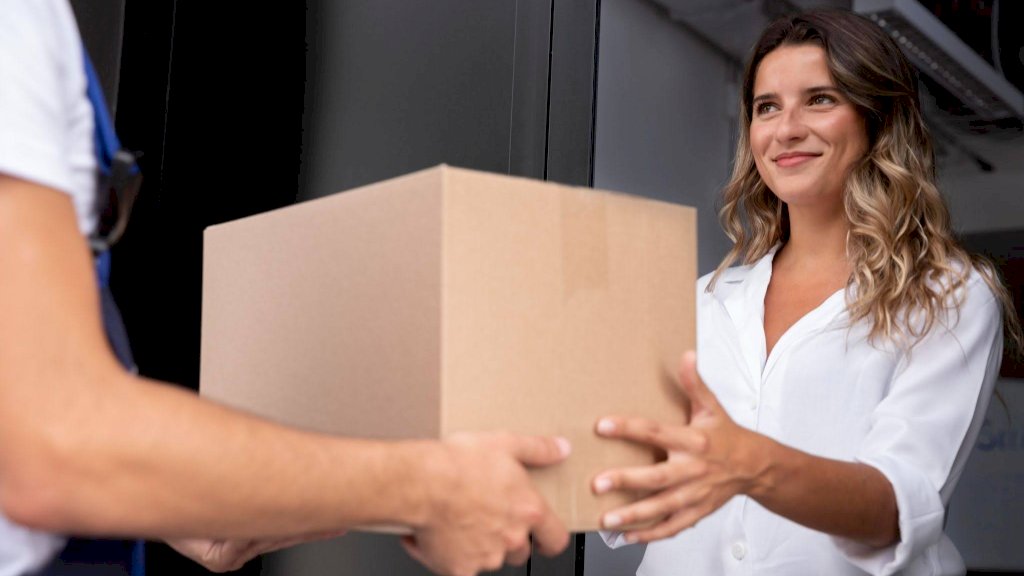
Comprehensive logistics management enables the complete digitization of proof of delivery. When a digital signature, photograph or GPS coordinates are captured at the delivery point, the information is instantly sent to the dispatch center. This enables immediate invoicing and provides non-negotiable legal protection: in the event of any claim for an undelivered package, the company has digital evidence that the service was completed, protected by time and location stamps.
The Human Connection
Drivers are the face of the company, but they also carry the greatest operational responsibility. Apps provide them with tools that help professionalize and simplify their work. A next-generation app provides a single source of instructions, incident reporting and structured workday management.
Instead of receiving verbal instructions that can be misunderstood, drivers follow a workflow configured in the system. If the system identifies that a driver is more efficient in certain zones or during specific hours, this data can be used strategically. Technology, therefore, not only optimizes delivery control but also enables business growth without turning human resources into chaos.
Turning Data into Decisions
A system’s value also lies in its ability to analyze the past in order to predict the company’s operational future. Many organizations accumulate huge volumes of information about their routes and deliveries, but few manage to turn that data into real operational intelligence that affects profitability. This allows management to stop making decisions based on intuition.
Software can identify complex patterns that the human eye would overlook, from detecting zones with systematic bottlenecks at specific times to identifying deviations in asset performance. Both situations could compromise long-term profit margins. Operational intelligence gives the company data sovereignty, enabling it to plan fleet growth responsibly and competitively.
Toward Technological Sovereignty
For a fleet owner in 2026, the question is no longer how to arrive faster, but how to better manage all the complexity surrounding transportation. Route optimization is the starting point; delivery tracking and process automation are what ensure profitability.
Investing in software that centralizes operations allows companies to stop relying on employee memory or manual processes. Last-mile technology gives businesses the ability to scale and protect their financial margins in a demanding market. Don’t wait any longer—contact us. At ToolRides, we help you gain complete control of your operation with proven, high-quality software.