 Use cases
 Messaging
 Taxi Companies
 Private Transport
 Transportation Entrepreneurs
 Last Mile
 SuperApp
 Software
 Taxi dispatch
 Corporate transportation
 Auction
 Products
 Booking Software
 Dispatch Platform
 Driver App
 Passenger App
 Web Widget
 Functions
 Schedule & Booking
 Driver Management
 Custom
 Corporate Portal
 Security & Support
 Resources
 Learn
Learn



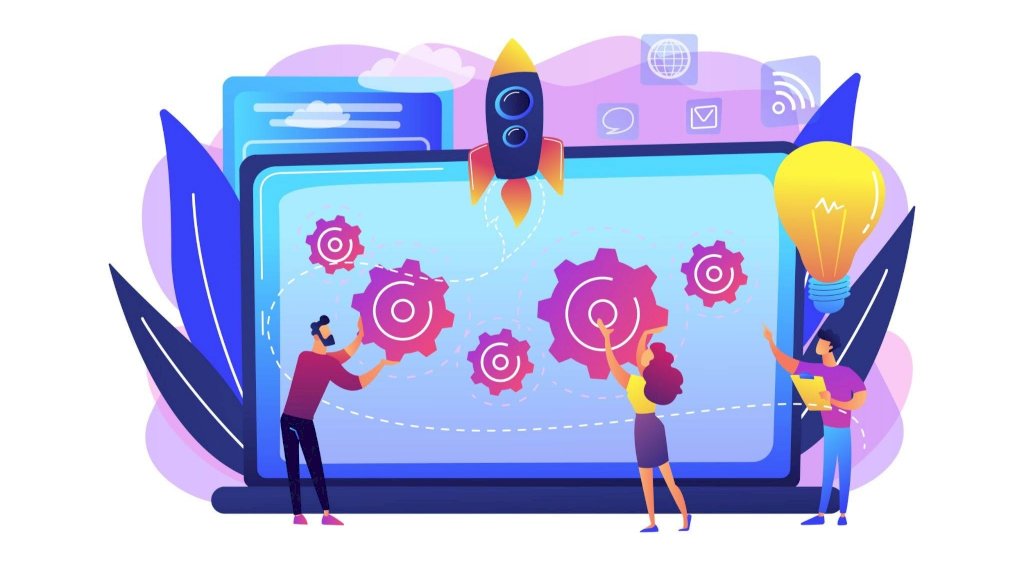
The gap between market leading companies and those barely managing to stay afloat is marked by their level of digitalization and ability to modernize their transportation system. Continuing to manage a fleet using manual processes, spreadsheets, or WhatsApp groups not only creates operational disarray but also limits growth and increases the financial risks of the operation.
Today, modernizing a transport company should no longer be seen as a simple technological change, but as a strategic decision necessary to compete in an increasingly demanding and accelerated market.
It's normal for many companies to feel uncertain when migrating to a modern system. Some managers perceive this transition as an operational pause or a complex process to implement. However, in practice, digitalization represents quite the opposite: an opportunity to reduce disruptions, improve operational control, and eliminate much of the chaos generated by manual processes.
Therefore, we will now explain the most important benefits of moving transport management to a modern, digital platform.
Total control of the operation in real time
One of the main advantages of implementing modern transportation software is its ability to eliminate much of the operational uncertainty. In many traditional systems, companies rely on calls, messages, or late reports to know the status of services, the location of vehicles, or the progress of a shipment. This lack of visibility leads to delays, poor coordination, and difficulties in responding quickly to any incident.
By migrating to a digital platform, operations are managed in real time. This allows you to view the location of each vehicle, monitor the status of services, and analyze the overall performance of the fleet from a single, centralized environment.
Having immediate access to this information not only improves operational control but also enables faster, more strategic, and proactive decision-making. Instead of reacting to problems as they arise, companies can anticipate situations that impact efficiency or customer experience.
Drastic reduction of operational errors
One of the biggest hidden costs in manual operations is human error. In traditional systems, it's common to find mistakes in assigning fares, recording incorrect addresses, or dispatching services to the wrong driver. As the operation grows, these errors begin to directly impact profitability, customer experience, and operational control.
Digitizing the transport management system allows for the automation of many of these processes, significantly reducing the potential for errors. Fares can be calculated automatically based on pre-configured parameters, assignments can be made considering the proximity and actual availability of drivers, and each service is recorded with detailed information, including timestamps and GPS coordinates.
In addition to improving operational accuracy, this traceability allows for greater control over each service and facilitates the identification of incidents or problems within the operation.
Massive savings in administrative time
One of the most visible benefits of modernizing a transportation operation is the reduction in time spent on administrative tasks. Processes that previously required hours of manual work, such as generating reports, validating services, or processing driver payments, can be completed in a matter of minutes through a centralized system.
By digitizing operations, information is automatically organized and remains available in real time, preventing duplication of tasks and reducing reliance on manual records. This allows administrative staff to shift their focus from data entry and troubleshooting to more strategic tasks related to business management and optimization.
In addition to improving internal productivity, this time saving also helps reduce operating costs and facilitates the growth of the company without the need to proportionally increase the administrative burden.
Substantial improvement in customer experience
Today, customers have much higher expectations for transportation services. They no longer just want to get from one point to another; they also expect real-time information, fast service, and greater transparency throughout the entire experience.
Modernizing transportation operations allows for a more reliable and professional experience through tools such as real time GPS tracking, automatic notifications, and service status visualization. These features improve communication with passengers and reduce uncertainty during each trip.
Furthermore, a more organized and transparent experience fosters greater user trust, directly contributing to customer loyalty and strengthening long term business relationships. In many cases, the perception of order and technology becomes one of the most important factors in closing new deals or differentiating oneself from the competition.
Increased fleet productivity
Many transportation companies believe that poor fleet performance is related to a lack of demand. However, in most cases, the real problem lies in downtime, poor service allocation, and a lack of operational optimization.
When an operation is run manually, drivers often spend long periods waiting for service, traveling unnecessary routes, or working with inefficient assignments. This reduces overall fleet productivity and directly impacts the business's profitability.
By implementing a modern transportation management system , service distribution can be optimized by considering factors such as proximity, availability, and real-time demand. This way, drivers spend less time idle and more time performing productive services.
In addition to improving the utilization of each unit, a more efficient operation also contributes to reducing operating costs, improving response times, and providing a faster experience for customers.
Scalability without increasing operating costs
One of the main benefits of digitizing a transportation operation is the ability to scale without proportionally increasing operating costs. In manual management models, increasing fleet size typically involves hiring more staff to maintain operational control and prevent operational disorganization.
However, by implementing modern transportation software, much of the growth can be managed through automation and process centralization. This allows for managing a larger fleet with greater efficiency, maintaining operational control without fixed costs significantly reducing business profitability.
Clear information for making strategic decisions
There is a fundamental rule in all operations: what cannot be measured, cannot be improved. Traditional systems rarely generate organized or useful information for decision-making, making it difficult to identify operational problems or detect growth opportunities.
Digitizing a transportation company allows access to detailed reports on revenue, driver performance by zone, peak demand times, and operating costs. This information enables more strategic decisions regarding expansion, resource optimization, and fleet growth, based on real data rather than solely on perception or operational experience.
Professionalization of the company
Transitioning from an informal operation to a digital and organized structure transforms a transportation company's perception within the market. Presenting itself to corporate clients with tools such as automated reports, streamlined billing, and real-time traceability conveys greater trust, control, and professionalism.
Digitalization not only improves internal operations, but also strengthens a company's image with potential clients and business partners. In an increasingly competitive market, having structured processes and modern technology can become a decisive factor in securing new agreements and growth opportunities.
Better financial control
One of the most significant benefits of implementing modern transportation software is improved financial control of operations. Digitization reduces fare inconsistencies, billing errors, and financial losses that often arise in manual or poorly organized processes.
With more precise service management and structured billing, cash flow becomes much more predictable and transparent. This allows for a more accurate understanding of how much each service is generating, the actual operating costs, and the overall profitability of the operation.
In addition to improving financial visibility, this level of control facilitates strategic decision-making and helps maintain a more stable and sustainable operation in the long term.
Technological foundation for future growth
The transportation market continues to evolve toward more integrated and flexible models, where services such as corporate transportation, last-mile delivery, courier services, and delivery services are beginning to coexist within a single operation. Therefore, digitizing a transportation company not only addresses current needs but also allows it to build a technological foundation ready to grow and adapt to new business opportunities.
Having a flexible platform makes it easier to add new services without having to replace the entire technology infrastructure every time operations evolve. In this context, solutions like ToolRides allow you to customize and expand operations according to each company's needs, while maintaining control from a single digital ecosystem.
Migrating to a modern system should not be seen merely as a technological upgrade. It represents a transformation in how operations are managed, allowing businesses to move beyond reactive processes and toward a more organized, efficient, and scalable structure. In an increasingly fast-paced and competitive market, modernizing the transportation system has become a fundamental step in building companies prepared for future growth.