
 Use cases
 Messaging
 Taxi Companies
 Private Transport
 Transportation Entrepreneurs
 Last Mile
 SuperApp
 Software
 Taxi dispatch
 Corporate transportation
 Auction
 Products
 Booking Software
 Dispatch Platform
 Driver App
 Passenger App
 Web Widget
 Functions
 Schedule & Booking
 Driver Management
 Custom
 Corporate Portal
 Security & Support
 Resources
 Learn
Learn



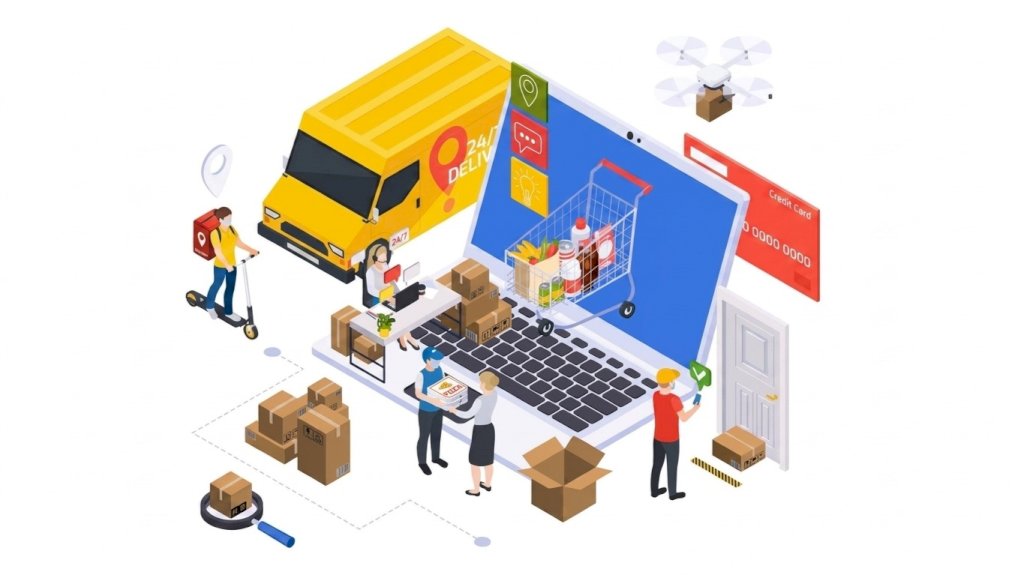
Last-mile delivery systems have transformed what was once a simple stage of transportation into the center of competitive strategy. Efficiency during this final stage not only determines customer satisfaction but also affects the financial viability of the entire operation. With the unprecedented demand for immediate service, choosing the right management platform has become a critical decision.
The challenge of the last mile is that it is often the most expensive stage of the delivery process. It is also more vulnerable to errors and is the only stage involving direct contact with the end customer. Modernizing these processes is therefore no longer optional but a competitive necessity. This article examines the key factors for choosing the right technology and provides a strategic comparison of the models that currently dominate the market.
The Decision-Making Center
The first major difference in a logistics software comparison between a high-performance system and a basic one lies in their processing capabilities. Traditionally, route planning depended on the dispatcher’s experience or the drivers’ practical knowledge. However, variables such as changing traffic conditions, delivery windows, load restrictions and service priorities exceed human processing capacity.
Professional software uses last-mile optimization algorithms to resolve operational constraints in seconds. This enables fleet vehicles to complete more deliveries using more efficient routes and traveling shorter distances. When choosing the right system, companies should prioritize dynamic planning capabilities that can adapt to unexpected events.
Achieving this level of responsiveness makes it possible to significantly reduce empty miles, optimize resources such as fuel and extend the useful life of the fleet. Modern delivery management requires software that goes beyond displaying vehicle locations on a basic map. Companies must invest in a logistics intelligence engine that directs the operation based on profitability.
The Gold Standard of Service
The second key factor in making your decision is the visibility the system provides across every stage of the supply chain. A business delivery platform like those used by market leaders transforms delivery tracking. It provides capabilities such as proactive proximity alerts, real-time GPS tracking and other tools that help reduce errors.
From an administrative perspective, this level of traceability enables complete, 360-degree monitoring. An operations manager should be able to see not only where each vehicle is located but also the exact status of every order in real time. This eliminates the need for intrusive supervision and instead encourages a positive culture of accountability.
Specialized SaaS vs. Generic Solutions
When exploring the market, companies generally face two options: low-cost solutions with limited features or specialized platforms designed for enterprise-level operations. Generic solutions usually provide basic GPS tracking and a simple interface. Although this may be sufficient for very small fleets, these systems become inadequate as operations grow.
Specialized distribution software offers an API-based architecture that improves invoicing, supply chain management, customer information, organizational processes and commercial management, among other areas. In the final comparison, the return on investment of a robust platform significantly exceeds that of a low-cost alternative because the savings in fuel, administrative time and customer retention provide substantial value.
The Future of Your Operations
The final key to making the right choice in 2026 is scalability. The system you select must support growth in areas such as the number of drivers and customers. Effective software allows companies to double their order volume while maintaining the same dispatch structure through automated assignments.
The logistics tools your company needs should do more than simply move packages. They should provide technological independence. By maintaining complete control over operational data, fleet owners can make decisions based on advanced analytics, identify low-profitability areas and recognize high-performing drivers whose practices can be replicated throughout the organization.
By prioritizing algorithmic optimization, traceability and digital integration, companies position themselves as leaders in a market that does not tolerate inefficiency. Today, technology is more than ever the backbone supporting a company’s brand promise, especially for modern customers who value accuracy and transparency in their deliveries above all else.
Become a Success Story
Before modernization, dispatch processes often required companies to hire multiple coordinators who spent hours organizing routes every day. This reliance on manual work resulted in constant scheduling conflicts for drivers and customer complaints caused by a lack of information about their deliveries. Implementing a last-mile platform can reduce route-planning time to just a few minutes. This change allows the customer portfolio to grow without requiring the company to purchase additional vehicles.
Modernizing last-mile management is the definitive step toward transforming a cost center into a competitive advantage. We understand that choosing the right software can be complex, but you can now begin evaluating each platform according to its essential capabilities. With ToolRides, you can focus on unlocking your company’s full potential by digitizing all your business processes.