 Use cases
 Messaging
 Taxi Companies
 Private Transport
 Transportation Entrepreneurs
 Last Mile
 SuperApp
 Software
 Taxi dispatch
 Corporate transportation
 Auction
 Products
 Booking Software
 Dispatch Platform
 Driver App
 Passenger App
 Web Widget
 Functions
 Schedule & Booking
 Driver Management
 Custom
 Corporate Portal
 Security & Support
 Resources
 Learn
Learn
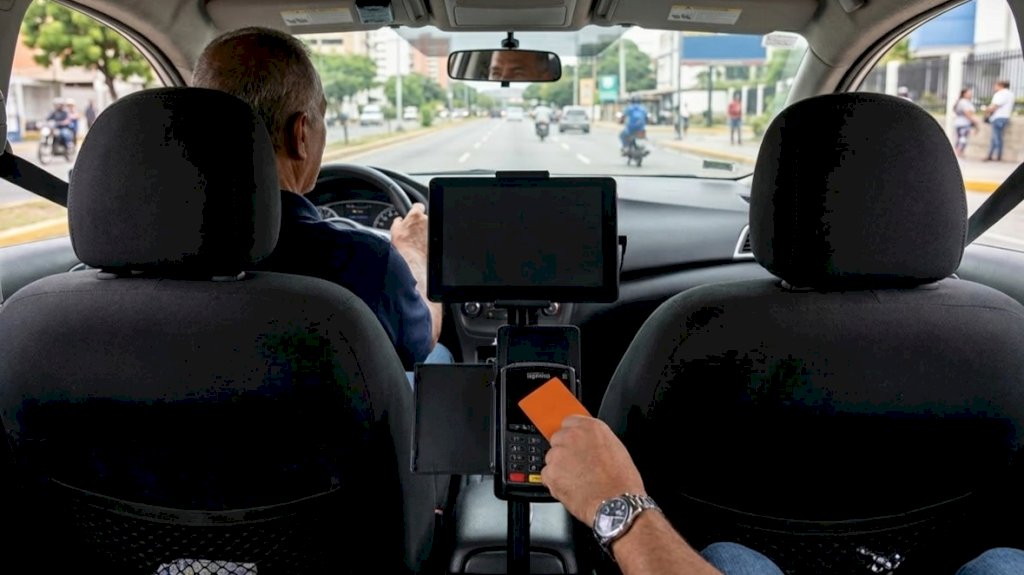
There are situations in which the price of a ride feels unfair because the algorithm decides to triple the fare for no apparent reason. This is why the InDrive business model emerged. Unlike traditional apps that impose a price, it gives power back to the people.
This is a transportation platform that operates under a “negotiated fare” or “pay-what-you-propose” business model. Unlike other ride-hailing apps, such as Uber or Lyft, where fares are set by the platform, InDrive gives users a different option. If you are still wondering what InDrive is, it is a platform that allows passengers to propose the price they are willing to pay for a ride and lets drivers decide whether to accept the offer.
How Does InDrive Work?
First, the passenger enters their pickup location and destination in the app and then requests a ride. Unlike other mobility apps like InDrive, the passenger can suggest a price for the ride. This gives them greater flexibility and control over the cost.
Drivers receive the request and can accept the proposed price, negotiate a new price, or reject the request if they do not agree with the fare. Once a driver accepts the offer, the passenger is notified and the ride begins. At the end of the trip, the passenger pays the driver directly.
InDrive-like apps charge drivers a commission on the ride amount, but this commission is usually lower than on other similar platforms. In addition, they allow passengers to negotiate fares, which can result in lower prices.
Drivers can choose which rides to accept and negotiate fares they consider fair. In fact, allowing negotiation reduces competitive pressure around fixed fares.
The InDrive business model stands out for its focus on price negotiation, providing a unique value proposition in the ride-hailing market.
The P2P (Peer-to-Peer) Business Model and Real-Time Bidding
InDrive is not just a ride-hailing app; it is a service marketplace. At its core is a reverse-auction model. The passenger proposes a fare based on their knowledge of the market, and nearby drivers can accept, reject, or make a counteroffer.
The P2P (Peer-to-Peer) business model and real-time bidding are key concepts in many modern digital platforms, especially in services and on-demand transportation platforms. The P2P model allows users to interact directly with one another without the need for a traditional intermediary.
Instead of a centralized company controlling every transaction, users can offer and consume services or products directly. Apps such as InDrive, Uber, and Lyft allow drivers to provide transportation services to passengers. This can benefit your transportation business by reducing costs, since removing intermediaries can lower expenses for both providers and consumers.
In an InDrive business model, passengers can see which drivers are available in their area in real time and get what they need without delay, improving the customer experience.
The Lowest Commission System on the Market
For the model to work, drivers must remain motivated. While other peer-to-peer transportation platforms charge between 20% and 35%, InDrive maintains a significantly lower commission, generally below 10%. This allows drivers to accept lower fares than on other apps while still earning more net income. The platform is popular because it offers a business model that differs from other transportation platforms.
InDrive allows drivers to set their own fares and negotiate directly with passengers. This can result in lower commissions for drivers compared with other platforms that apply fixed rates or higher percentages.
The InDrive business model aims to be more transparent by allowing drivers and passengers to agree on the price before the ride. This can lead to greater satisfaction for both parties. Although it is promoted as an option with lower commissions, the exact commission structure may vary depending on the region and market conditions.
InDrive positions itself as an attractive alternative for drivers seeking more flexible and potentially lower fares. However, each driver should evaluate the options available in their region to determine which platform best meets their needs.
Community-Based Safety and Transparency
Because the negotiation is open, every offer is recorded. InDrive verifies drivers’ documents and enables mutual ratings, acting as a trust filter that is updated in real time. The InDrive business model promotes safety and transparency as fundamental pillars of its service.
The platform requires both drivers and passengers to verify their identities using identification documents and other methods, helping create a safer environment. Users can rate and review both drivers and passengers. This feedback system encourages responsible behavior and helps maintain quality standards.
InDrive seeks to build a trusted community by focusing on safety and transparency, which can appeal to both drivers and passengers.
InDrive Is a Technology That Gives People the Power to Negotiate
InDrive has achieved massive growth without relying on opaque algorithms. For those looking to build or acquire transportation software in 2026, the lesson is clear: transparency and user control are the strongest competitive advantages.
The platform promotes a transparent environment in which both drivers and passengers know the ride conditions and applicable fares without surprises. It operates in multiple cities around the world, allowing it to reach a broad user base.
The InDrive business model is an ideal innovative alternative for emerging businesses in the transportation sector. It is time to innovate and grow with the support of powerful platforms.