 Use cases
 Messaging
 Taxi Companies
 Private Transport
 Transportation Entrepreneurs
 Last Mile
 SuperApp
 Software
 Taxi dispatch
 Corporate transportation
 Auction
 Products
 Booking Software
 Dispatch Platform
 Driver App
 Passenger App
 Web Widget
 Functions
 Schedule & Booking
 Driver Management
 Custom
 Corporate Portal
 Security & Support
 Resources
 Learn
Learn



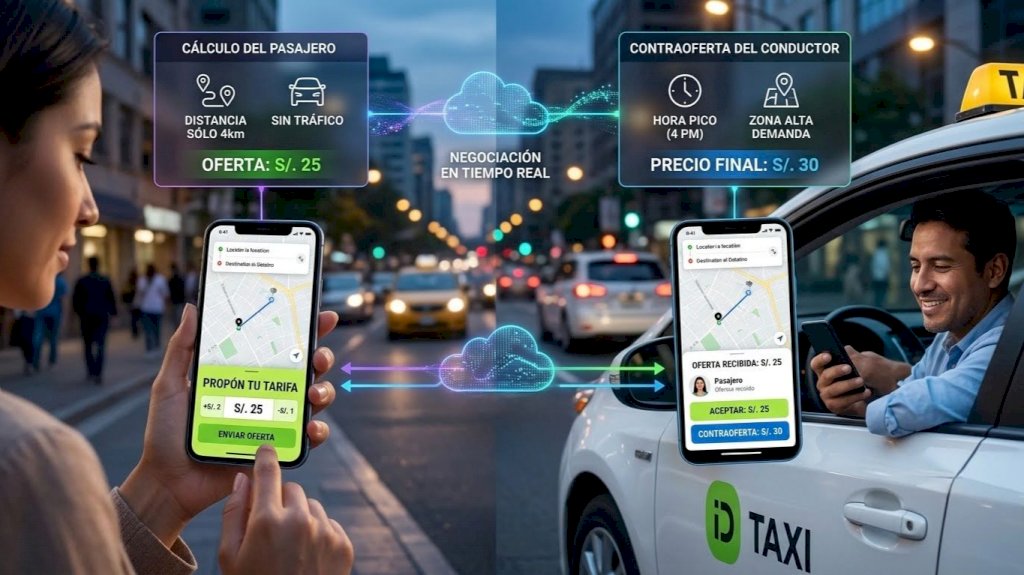
For a taxi company looking to compete with major international apps by 2026, the rigidity of fixed fares or the old-fashioned taximeter can be detrimental from a business perspective. Adopting a negotiation model or dynamic pricing, controlling is the best strategy to return power to both the passenger and the driver.
The problem isn't the service, it's the pricing model. Learning how to implement dynamic taxi pricing in an InDrive-style model, where the price is based on supply, demand, and a digital negotiation margin, is key to restoring your fleet's competitiveness and keeping both riders and drivers happy on a single platform. In fact, the urban transportation market is dominated by opaque algorithms that impose exorbitant fares on riders during peak hours, or by traditional taxi companies that maintain fixed fares regardless of storms, traffic, or periods of high demand.
The concept of the "Suggested Price" by the algorithm
The "Suggested Price" is an innovative tool that allows you to establish a smart starting point for service rates, such as transportation or delivery. Instead of imposing an absolute final price, the algorithm uses real-time data and complex analysis to propose an initial rate that reflects current market conditions.
InDrive-type software relies on multiple variables analyzed in real time. The algorithm considers the distance between the origin and destination points. The greater the distance, the higher the suggested fare, as more time and resources are required to complete the service. Using real-time traffic data, the system can adjust the fare according to traffic conditions. This dynamic approach ensures fair and competitive pricing, constantly adapting to changing environmental conditions.
A key aspect of the InDrive model is the transparency it offers users. Before submitting their request, customers can see the recommended fare and understand the factors that influenced its calculation. This includes information about distance, estimated traffic, and current weather conditions. This clarity not only helps users make informed decisions but also builds trust in the system. By understanding how the fare is determined, customers feel more comfortable with the suggested price and are less likely to question or reject it when presented.
The counteroffer engine (The logic of digital negotiation)
Implementing a counteroffer engine in taxi software not only transforms the experience for users and drivers but also sets a new standard in digital negotiation. This system allows both passengers and drivers to have control over fares, eliminating the need for arguments on the street and promoting a smoother and more efficient interaction.
The customer has the option to accept the fare suggested by the algorithm or make an alternative offer. This flexibility allows the passenger to adjust the fare, either proposing a little less to attract drivers quickly or a little more if they want to ensure more immediate service. The counteroffer engine represents a significant advancement in how fares are handled in transportation, giving users and drivers the necessary control to negotiate effectively and efficiently.
Delineation of high demand zones (Heat maps)
Identifying high-demand areas is crucial for the efficient operation of dynamic fare pricing in transportation services. Using heat maps, taxi software can visualize areas with the highest taxi demand in real time, allowing fleets to optimize their operations and maximize revenue opportunities.
By avoiding excessive fares, the company's image is protected and trust among users is fostered, which is essential for maintaining a loyal and satisfied customer base. To ensure that dynamic taxi fares remain within reasonable limits and do not become abusive, it is crucial to establish multipliers controlled by the dispatch center.
Identifying high-demand zones using heat maps, along with implementing controlled multipliers and efficient unit routing, are key elements for the success of the dynamic model. These components not only optimize taxi service operations but also improve the overall experience for everyone involved.
Financial security parameters for taxi drivers
To ensure the economic viability of drivers and protect the value of their work, it is essential to establish parameters that regulate fare negotiation and commissions. Two key elements that must be implemented in an InDrive-type app are:
The minimum rate floor
One of the most effective measures to protect taxi drivers is to establish a base fare per kilometer and time that serves as a minimum rate. Setting a base fare that cannot be negotiated below ensures that each trip contributes to covering the vehicle's operating costs, such as fuel, maintenance, and insurance. This is crucial for the driver's financial sustainability.
A minimum fare floor prevents free negotiation from devaluing the driver's work. This means passengers cannot demand extremely low fares that could harm taxi drivers, thus fostering a fairer working environment. A system that guarantees a minimum fare can attract new drivers to the market, as it assures them that their work will be fairly valued.
Fair and transparent commissions
Transparency in commissions is another key aspect of ensuring the financial security of taxi drivers. Implementing a system that clearly displays commissions before accepting a ride has multiple benefits. Commission transparency builds trust between drivers and the platform. When taxi drivers feel they are being treated fairly and honestly, they are more likely to remain loyal to the platform and provide better service.
Setting clear expectations from the outset minimizes conflicts between drivers and passengers regarding fares and commissions. This contributes to a smoother and more pleasant experience for everyone involved. Dynamic taxi pricing ensures fair and transparent commissions, which is essential for protecting taxi drivers' financial security. These measures not only guarantee the profitability of the driver's work but also foster an environment of trust and respect within the transportation sector.
Implementing a dynamic and negotiated pricing model means democratizing the service
In a world where technology is constantly redefining how we interact with services, implementing a dynamic and negotiated pricing model is presented as an innovative solution that not only democratizes transportation services, but also strengthens the position of local operators against large international platforms.
Using adaptive software, you can adjust fares in real time based on demand, traffic, and other relevant factors. Implementing a dynamic taxi pricing model not only democratizes transportation services but also empowers your business by offering flexibility, transparency, and an improved experience for both drivers and passengers. Don't get left behind, acquire your adaptive transportation software and transform your operation into an industry leader.