
 Use cases
 Messaging
 Taxi Companies
 Private Transport
 Transportation Entrepreneurs
 Last Mile
 SuperApp
 Software
 Taxi dispatch
 Corporate transportation
 Auction
 Products
 Booking Software
 Dispatch Platform
 Driver App
 Passenger App
 Web Widget
 Functions
 Schedule & Booking
 Driver Management
 Custom
 Corporate Portal
 Security & Support
 Resources
 Learn
Learn



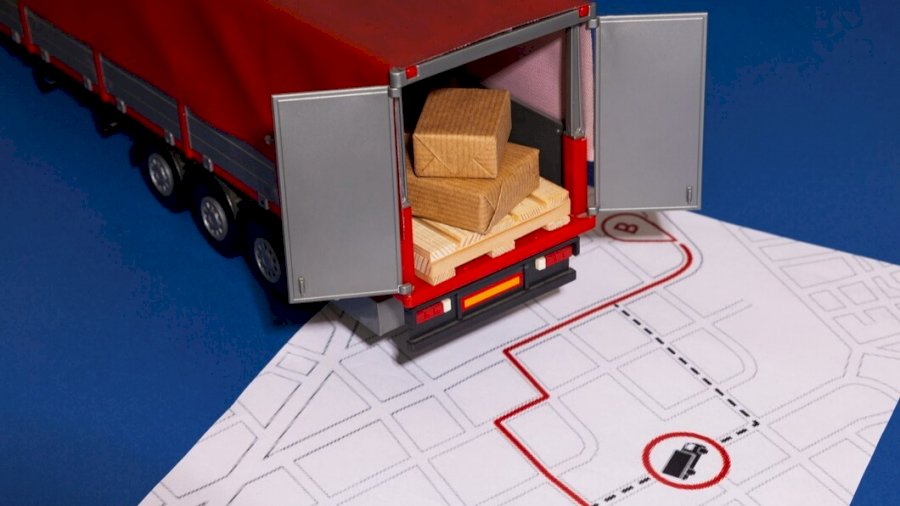
Trucks play a vital role in road transportation systems and are essential to keeping the economy moving. As a transportation provider, it is important to choose the right truck for your operational needs. To make the right decision, you need to understand the different types of trucks available and how they are used. This will help you select the vehicle that best fits your requirements.
Container trucks are vehicles used to transport shipping containers, typically at seaports or freight terminals. They move containers from one location to another, either within a freight terminal or between different terminals and ports. Containers come in different sizes and configurations depending on the type of cargo they carry. The load capacity of these trucks varies according to the vehicle’s design and setup. Some can carry a single container at a time, while others are designed to transport multiple containers.
Truck Classification by Size and Payload Capacity
First, there are Light Commercial Vehicles (LCVs), which are smaller vehicles typically used to transport parcels, small shipments, tools, equipment, and other lightweight items over short distances. These vehicles are often preferred by small logistics service companies because of their compact size and payload capacity of up to 5 tons, making them easier to maneuver through city streets.
LCVs are cost-effective, fuel-efficient, and generally easier to purchase and maintain. It is therefore no surprise that light commercial vehicles are becoming increasingly popular among small businesses and individual operators. LCVs include pickup trucks, compact vans, and small cargo vans.
There are also Medium Commercial Vehicles (MCVs). These vehicles are larger than LCVs and typically have a payload capacity of between 5 and 7 tons. They are generally used to transport goods over longer distances and are commonly preferred by medium and large logistics companies. They are often used to transport construction materials such as cement, stone, and steel. MCVs are powered by gasoline or diesel engines and can be seen operating on both highways and smaller roads. This category includes larger vans, box trucks, and flatbed trucks.
Finally, there are Heavy Commercial Vehicles (HCVs), which are similar to MCVs but significantly larger and heavier. They are used by large logistics organizations for long-distance transportation and usually have a payload capacity greater than 7 tons. These vehicles transport a wide range of goods, from raw materials used in manufacturing to perishable food products. HCVs include semi-trailers, tractor-trailers, and dump trucks. These vehicles are typically powered by diesel engines.
Container Trucks
Containers are essential to the logistics and transportation industry. They are used to move goods and heavy materials, often over long distances, while protecting cargo from damage. Containers are available in different sizes and configurations, including flat rack, enclosed, and refrigerated containers. In addition, demand for container trucks has increased in recent years as a result of growth in e-commerce, manufacturing, and logistics. As a result, trucks have become an essential part of freight delivery networks, moving increasing volumes of goods between cities, regions, and states.
Why Container Truck Maintenance Is Important
Container trucks are used to move freight containers from one location to another, so keeping them in good working condition is essential for protecting both the cargo and the people involved in the operation. Regular maintenance helps ensure that trucks remain in optimal operating condition, reducing the risk of breakdowns and accidents.
Regular inspections should be carried out to check the condition of important components such as brakes, tires, lights, steering, the engine, and the suspension system. Oil and filter changes should also be performed at the recommended intervals, as they are essential for keeping the engine in good condition and extending the service life of the vehicle.
Proper maintenance of container trucks not only helps ensure the safety of the cargo and the people involved, but also improves vehicle performance and helps reduce repair costs. For this reason, regular maintenance and compliance with the manufacturer’s guidelines are essential for ensuring the durability and reliability of container trucks.
Is It Beneficial for a Logistics Service Company to Invest in Container Trucks?
Investing in heavy-duty trucks can be beneficial for a logistics services business. One of the main advantages is their greater cargo capacity compared with smaller transportation vehicles. This means more goods can be transported on each trip, helping reduce transportation costs and improve operational efficiency. Heavy-duty trucks are also versatile and can be adapted to carry different types of cargo, including palletized goods, grain, liquids, and bulk products. This allows logistics companies to offer a broader range of services and meet the needs of different industries.
Heavy-duty trucks are specifically designed for freight transportation and often include additional safety features, such as advanced braking systems and tire pressure monitoring systems. These features can help reduce the risk of accidents and cargo damage during transportation. Investing in container trucks can provide benefits such as greater cargo capacity, flexibility, improved safety, and greater supply chain efficiency, as well as the potential to generate additional revenue. However, it is important to carry out a thorough financial analysis to assess whether the investment is viable and aligned with the needs and objectives of the logistics business.